Restaurant valuation – correctly assessing property value, inventory, and business operations



Determining the correct value of a restaurant is no straightforward matter. The process involves several distinct components, each requiring its own methodology.
1. Land Value – the Foundation of the Valuation
The land value is generally based on the Bodenrichtwert (standard land value), published by local valuation committees (Gutachterausschüsse). It reflects location quality. Key factors include size, developability, permitted uses, and the surrounding environment.
2. Property Value – Different Valuation Methods
For the value of the property itself, several approaches are available:
Estimate / Simplified Valuation:
A common approach is to calculate value based on usable floor area × construction cost per m², less deductions for age, condition, and required refurbishment.
Comparative Method (Vergleichswertverfahren):
The property is compared with similar catering premises that have recently been sold. Particularly relevant in cities or tourist regions with a high density of market transactions.
Asset Value Method (Sachwertverfahren) – Surveyor Assessment:
A publicly appointed valuer can determine the building value in detail. This involves the reinstatement value of the property less depreciation for age.
- Income Capitalisation Method (Ertragswertverfahren): For leased or rented catering properties, the income (rental/Pacht (lease/tenancy) receipts) is often taken as the basis, capitalised at a market-standard factor.
Income Capitalisation Method (Ertragswertverfahren):
For leased or rented catering properties, the income (rental/Pacht receipts) is often taken as the basis, capitalised at a market-standard factor.
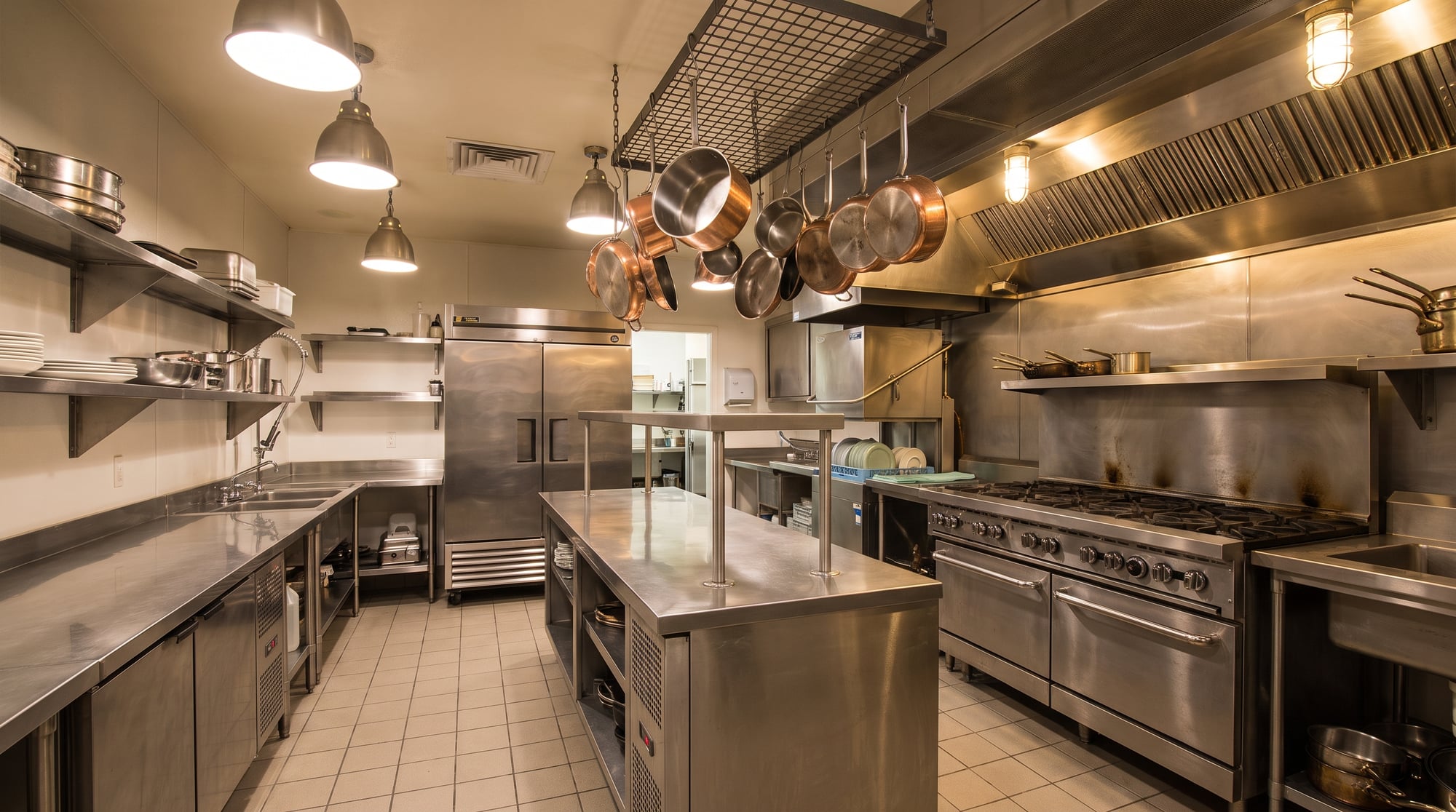
3. Inventory Value – Fixtures, Fittings and Equipment
Inventory is generally valued using the net asset value method:
- The starting point is the replacement value of the existing fittings and equipment.
- Deductions are made for wear and age.
- The result is the current market value.
An itemised inventory list is recommended here (kitchen equipment, furniture, point-of-sale systems, etc.).
4. Business Value – Valuation of the Going Concern
Valuing the restaurant business itself is considerably more complex. Several methods are employed:
Income Capitalisation Method (Ertragswertverfahren):
The focus here is on future sustainably achievable profits. The average profit over recent years is capitalised, less notional owner's remuneration and rent equivalents.
Multiplier Method (Multiplikatorenverfahren):
Widely used in the catering sector: revenue or EBITDA multipliers derived from industry benchmarks are applied (e.g. 3–5× EBITDA depending on location and concept).
- Net Asset Value Method (Substanzwertverfahren): Only appropriate for businesses without significant profit. Here, the value of the assets (inventory, stock, and any brand rights) is determined.
Net Asset Value Method (Substanzwertverfahren):
Only appropriate for businesses without significant profit. Here, the value of the assets (inventory, stock, and any brand rights) is determined.
- Goodwill Valuation: Factors such as brand recognition, a loyal customer base, reputation, or location quality may represent an intangible premium.
Goodwill Valuation:
Factors such as brand recognition, a loyal customer base, reputation, or location quality may represent an intangible premium.
5. Private Assets vs. Business Assets
A frequently underestimated consideration is the tax treatment of the sale.
- Private assets: A sale may be exempt from tax once the speculation period has elapsed.
- Business assets: Here, a sale regularly triggers taxation of hidden reserves (stillen Reserven).
A tax adviser is indispensable in this regard to avoid unwelcome surprises.
6. Realistic Figures as the Basis for Valuation
Even where a buyer recognises the potential to significantly increase profits, the principle remains: valuation is based on the actual, verifiable trading figures achieved. This protects buyers from inflated prices and provides sellers with a sound basis for negotiation.
7. Why Absolut Gastronomie Immobilien is the Better Choice
Conventional estate agents often value only the land and building. Absolut Gastronomie Immobilien goes considerably further:
- Holistic valuation: land, property, inventory, and business operations.
- Application of sector-specific valuation methods (income capitalisation, multipliers, goodwill).
- Experience with tax and legal matters relating to business sales. (without warranty)
- Access to buyers and investors who understand the sector.
In this way, we provide a well-founded basis for sellers and a realistic offer for buyers.
Further reading
- What is my hospitality property worth? – an overview of all value components and methods
- Valuing a hotel – income capitalisation, occupancy and the metrics investors examine
Conclusion:
Valuing a restaurant requires a combination of property valuation and business analysis. Land, building, inventory, and business operations must all be taken into account, alongside tax considerations. Only then does a fair picture of market value emerge. With the expertise of Absolut Gastronomie Immobilien, owners secure a professional and reliable foundation for a successful sale.
- Restaurants